Benefits shouldn’t feel like an annual surprise attack.
Traditional benefits are sold like a stable employee perk, then behave like a mysterious renegotiation every year. That’s a bad product.
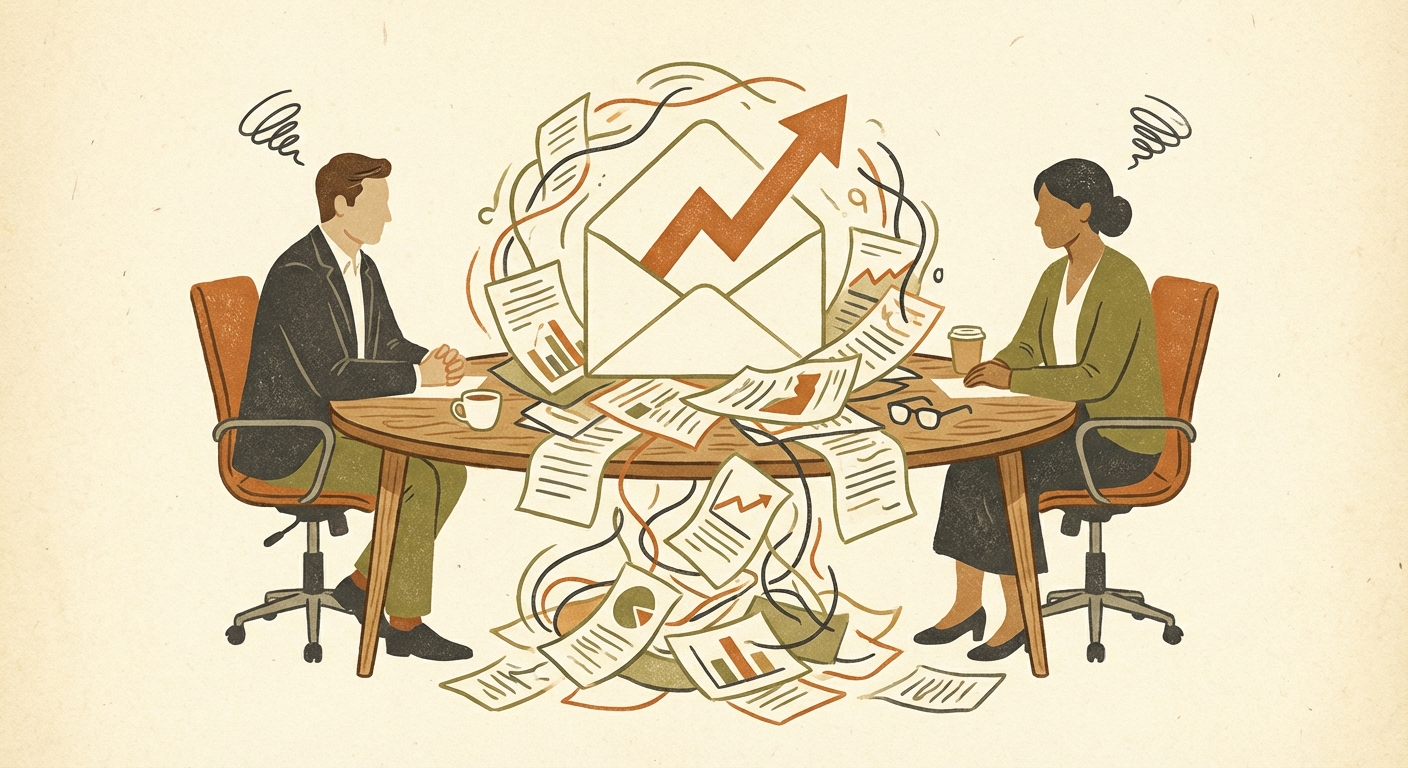
someone has to wait for the renewal and hope the number is reasonable.
if the plan gets cut, employees experience it as loss — even when the company is trying to be responsible.
set the spend deliberately instead of discovering it through a renewal ritual.
The renewal ritual is broken.
You buy a benefits plan thinking you bought stability. What you actually bought was repricing risk, opaque math, and a future argument with your own team.
Zemma turns renewal drama into a normal budget decision.
Set the contribution. See it clearly. Increase it if you want. Hold it flat if you need to. Lower it if the business has to. That’s a budgeting conversation, not an actuarial séance.
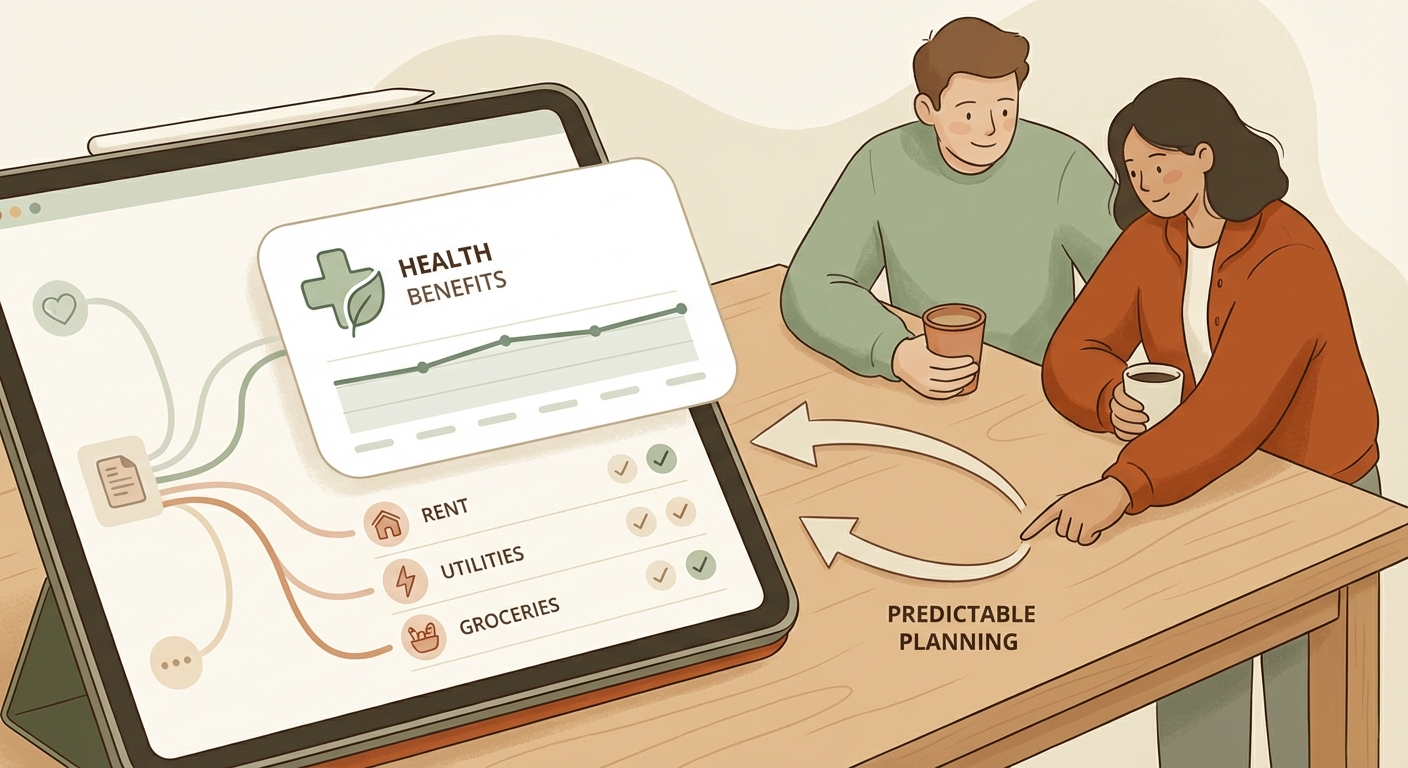
A benefit should feel calm.
If health benefits are supposed to reduce stress, the product itself shouldn’t create stress for the employer every renewal cycle. Zemma behaves like a budget, not a hostage negotiation.
A health benefit should feel like a budget decision, not an annual ambush.
Predictable spend beats renewal drama.