Insurance was invented for risk.
Not cleanings.
Traditional benefits run your dental cleaning, massage receipt, and glasses claim through the same expensive machine as a medical emergency. That’s backwards.
And lose a painful amount of money on the way.
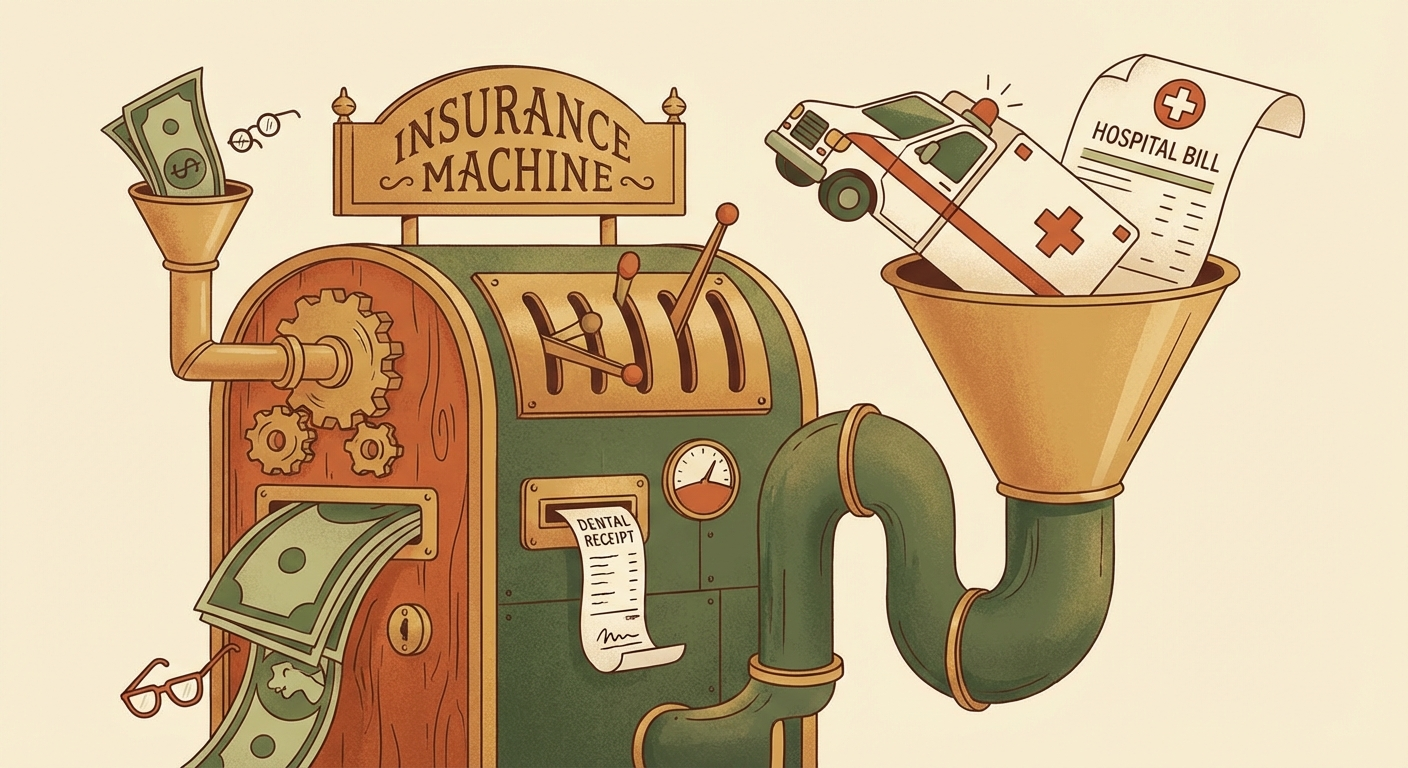
Risk gets insured. Routine care gets funded.
Which is kind of the whole fucking point.
Everything gets shoved through insurance.
Dental, vision, physio, massage, prescriptions, therapy. These are usually predictable, recurring, personal expenses — not true insurance risk.
Separate risk from spending.
Zemma splits health benefits into two clean buckets: use insurance for catastrophic, unpredictable events — and let routine care be funded directly with employer dollars.
Traditional plan
Zemma
Drag the slider to set the employer contribution. See exactly how many dollars reach actual healthcare in each model.
Traditional model assumes ~30% overhead leakage. Zemma assumes ~3% platform fee.
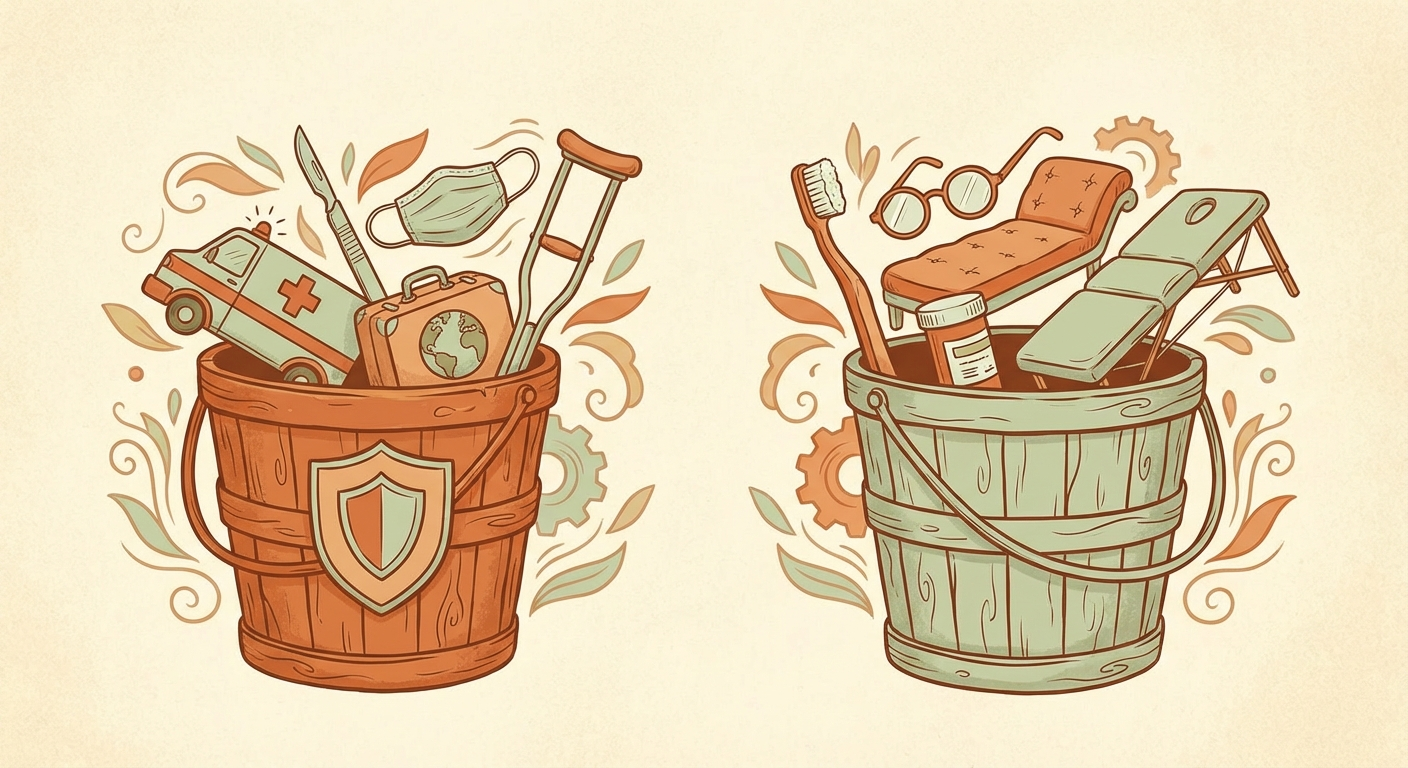
Two buckets. Cleaner logic. Better outcomes.
You don’t insure your groceries. You budget for them. Routine health care behaves much more like groceries than like a house fire. So treat it like spending, not catastrophe.
The rare stuff that could really hurt you.
Insurance shines when the event is expensive, unpredictable, and difficult for one person to absorb alone.
The stuff people actually use all year.
If it’s predictable, personal, and likely to happen, it usually makes more sense to fund it directly than to insure it inefficiently.
More of the health plan actually feels useful.
That’s the magic. Not theoretical efficiency. Not actuarial beauty. Just more of the employer’s spend turning into real care, real reimbursement, and real choice.

Traditional benefits run your dental cleaning through the same system as open-heart surgery. Zemma doesn’t.
Insure what should be insured. Fund the rest directly.