One health plan can’t fit an entire company.
A 24-year-old single employee, a parent with three kids, and someone doing weekly therapy do not want the same benefits. Traditional plans force employers to pretend they do.
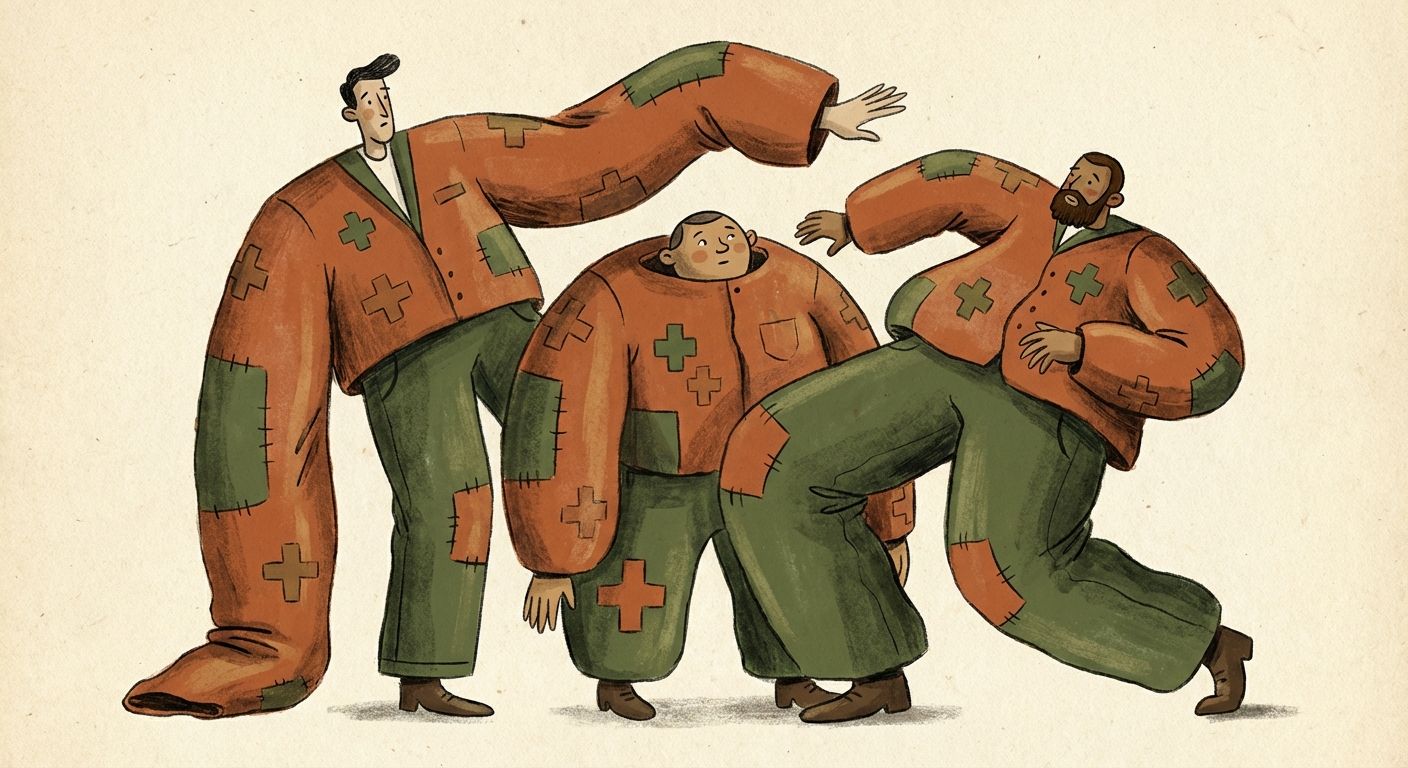
The one-plan-for-everyone idea is fundamentally wrong.
It sounds administratively tidy. But it forces the company to pick one compromise design and call that fairness — even when it fits almost nobody particularly well.
Zemma standardizes the budget — not the person.
That’s the unlock. The employer can keep the spend consistent, while each employee uses the dollars differently based on what their real life actually looks like.
Wants therapy, glasses, prescriptions, and some flexibility. Doesn’t care about a family-oriented bundle.
Needs dental spend, recurring prescriptions, and care for multiple people — not the same priorities at all.
Uses physio and massage constantly, barely touches anything else, and hates paying for categories they never use.

Different people can finally get different value.
That doesn’t mean employers need 14 plan designs. It means the company chooses the contribution once, and employees choose how to use it. Cleaner for the company. Better for the person.
The average employee does not exist. So why design a health plan around them?
Standardize the budget. Not the person.